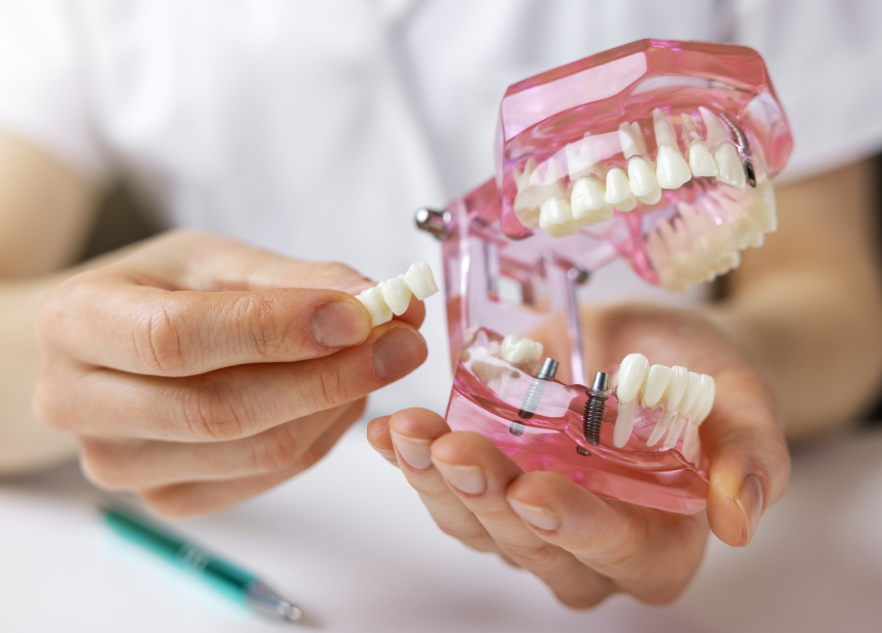
Dental bridges are a reliable and widely used solution for replacing missing teeth. They restore your ability to chew, speak, and smile confidently by anchoring an artificial tooth between two supporting teeth or dental crowns. With good care, many bridges can last 10 to 15 years—or even longer.
However, like any dental restoration, bridges are not indestructible. Understanding what can cause a dental bridge to fail can help you protect your investment and extend its lifespan.
Poor Oral Hygiene Around the Bridge
One of the most common reasons dental bridges fail is inadequate oral hygiene. Because a bridge is anchored to natural teeth, the health of those supporting teeth is essential.
If plaque and bacteria build up around the edges of the crowns or underneath the artificial tooth (pontic), it can lead to decay in the supporting teeth. Once those anchor teeth are compromised, the entire bridge can become unstable.
Daily brushing, flossing, and using tools like floss threaders or water flossers are key to keeping the area clean and preventing long-term issues.
Decay in the Supporting Teeth
Even though the bridge itself is artificial, the teeth holding it in place are still vulnerable to cavities. If decay develops in one or both abutment teeth, it can weaken the foundation of the restoration.
In many cases, this type of failure happens gradually and may not cause immediate symptoms. That’s why regular dental checkups are important—they allow your dentist to detect early signs of decay before it affects the bridge.
Gum Disease and Bone Loss
Healthy gums are essential for supporting dental restorations. Gum disease (periodontal disease) can cause inflammation, recession, and even bone loss over time.
As the gums and bone structure weaken, the supporting teeth may shift or lose stability, which can loosen the bridge. Advanced gum disease is one of the leading contributors to long-term bridge failure.
Maintaining gum health through professional cleanings and consistent home care is one of the best ways to protect your restoration.
Damage From Teeth Grinding or Biting Forces
Excessive pressure from grinding or clenching your teeth (a condition known as bruxism) can place significant stress on a dental bridge.
Over time, this repeated force can cause cracks in the bridge material, loosen the cement holding it in place, or damage the supporting teeth. Chewing on hard foods like ice or hard candy can also contribute to unnecessary wear and tear.
If you grind your teeth at night, your dentist may recommend a custom nightguard to protect both your bridge and natural teeth.
Poor Fit or Aging Materials
Although dental bridges are designed to be durable, they are not permanent. Over time, normal wear can affect how well they fit.
As the mouth changes with age—through natural tooth movement, gum recession, or bone loss—the fit of the bridge may become less secure. In some cases, the cement holding the bridge can also weaken over the years.
When a bridge no longer fits properly, bacteria can more easily enter underneath, increasing the risk of decay and failure.
Protecting Your Dental Bridge for the Long Term
While dental bridge failure can happen for several reasons, many of these issues are preventable. Good oral hygiene, regular dental visits, and protective habits can significantly extend the life of your restoration.
With the right care, many patients enjoy a strong, functional bridge for well over a decade, maintaining both comfort and confidence in their smile.
About the Practice
At Gruene Family Dental, patients receive comprehensive dental care focused on long-term oral health and comfort. Dr. Turnbow and Dr. Knox specialize in restorative treatments, including custom dental bridges designed to replace missing teeth and restore function and appearance. Our experienced dental team is dedicated to helping patients protect their smiles through preventive care, education, and personalized treatment plans tailored to each individual’s needs.
Call us at (830) 626-1111 or schedule your appointment online.