Dental Implant Failure & Salvage New Braunfels
Solving Problems & Saving Your Restored Smile

Dental implants are valued for their impressive durability and consistent results; they are successful in over 95% of cases. Even so, every dental treatment carries some level of risk. On rare occasions, an implant can fail. If you sense that something is not quite right with one of your prosthetic teeth, please do not hesitate to contact our New Braunfels team. Timely care may allow us to perform dental implant salvage treatment and help you preserve your restored smile.
Why Do Dental Implants Fail?
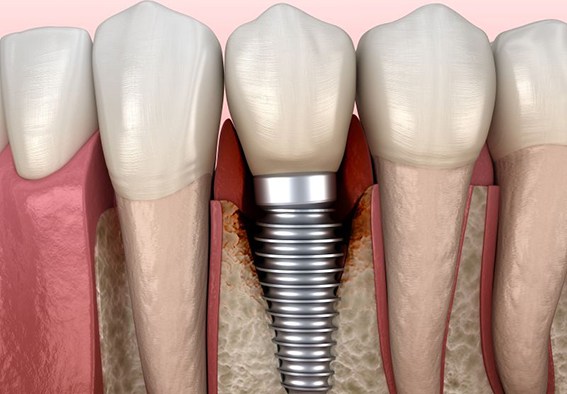
A common reason dental implants fail is an infection known as peri-implantitis. It develops when harmful bacteria affect the tissues that support an implant. As bacteria build up near the implant, they can cause inflammation and harm the surrounding gums and jawbone. Eventually, the infection can become so severe that the implant no longer has a sturdy base of support. Certain habits and health concerns, including poor oral hygiene, smoking, and untreated gum disease, can make peri-implantitis more likely to occur.
Dental implant failure can also be linked to factors such as:
- A hit to the mouth or another form of dental trauma
- Chronic teeth grinding or jaw clenching that puts excessive force on the implants
- Health conditions or medications that interfere with bone strength, healing, or osseointegration (the process that helps an implant fuse with the jawbone)
Symptoms of a Failed Dental Implant
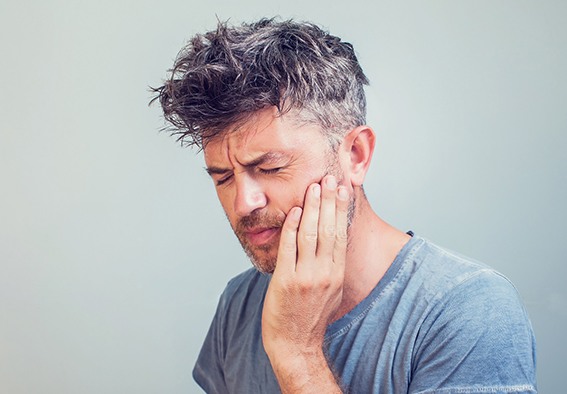
Issues with dental implants may occur soon after they are placed, but they can also arise months or years down the road. That is why it is always wise to pay attention to any changes in your mouth and schedule an exam promptly if you believe something may be wrong.
Signs that an implant may be failing include:
- Ongoing or intense discomfort: After you have recovered from implant surgery, your smile should be pain-free. Pain that lingers or becomes worse should be professionally evaluated.
- Signs of infection: Redness, swelling, sensitivity, bleeding, or pus around the implant could point to peri-implantitis.
- Movement: Either the implant itself or the attached restoration may start to feel loose. This is a reason to call us right away.
- Difficulty chewing: Implants are designed to help you eat with confidence. New problems biting or chewing may signal a significant issue.
How Dental Implant Salvage Works
If you are concerned that one of your implants is failing, schedule a visit with our team as soon as you can. The earlier we are able to take a look, the better the chances are that we can manage the problem with conservative treatment.
At your appointment, our team will thoroughly examine your implant, gum tissue, bite, and nearby oral structures. We may also take diagnostic images so we can see what is occurring below the gumline. After we identify the cause and extent of the issue, we will explain the treatment options that best fit your situation.
Sometimes, the solution may involve antibiotics, a thorough dental cleaning, or replacing the restoration attached to the implant. If the implant is no longer stable enough to remain in place, it may have to be removed so the tissues can recover. After you heal and complete any needed follow-up care, you might be able to get a new implant.